I am currently standing up a maternal-health brand focused on postpartum hemorrhage (PPH) awareness. This is a solo build. In my studio, I don't hire agencies or contractors; I use AI as the team. The goal is to move a visitor from a lead magnet to an email sequence and finally to a booking.
Building a digital product funnel in a high-stakes niche requires more than just a landing page. It requires a system that handles trust, education, and conversion without manual intervention. This is what I am shipping today, the architecture behind it, and the lessons I learned the hard way during the build.
The Architecture of the PPH Funnel
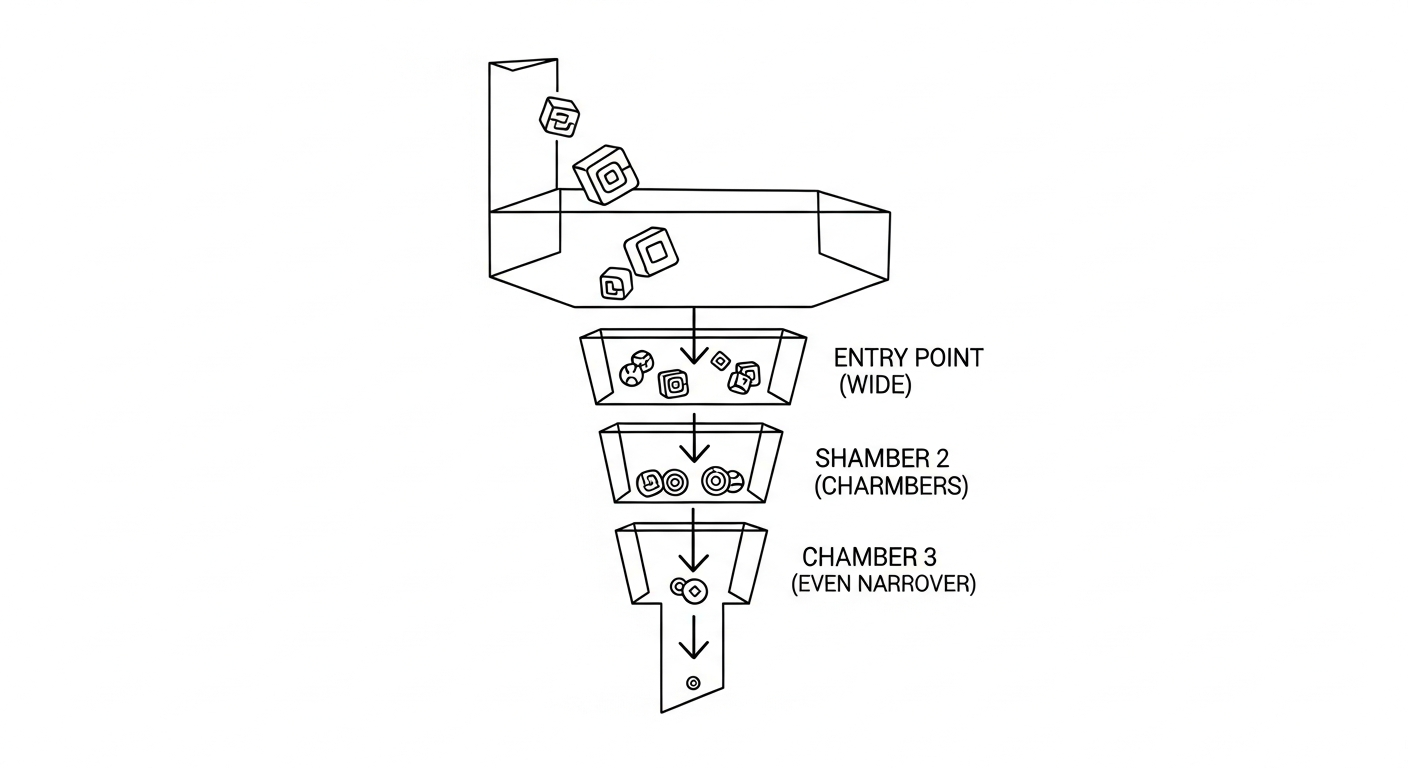
When building a digital product funnel, the temptation is to start with the design. I start with the data flow. For the PPH project, the system is designed as a linear progression.
- The Lead Magnet: A high-value resource that addresses a specific fear or need for expectant parents.
- The Nurture Layer: An automated email sequence that provides evidence-based education.
- The Conversion Point: A booking system for a consultation or a digital product purchase.
I architected this using a managed data layer and a custom orchestration layer. Instead of writing every email and designing every asset myself, I used agentic engineering. I built a set of agents using the Claude API and my custom orchestration layer, VERA, to handle the research and drafting. One agent pulls the latest clinical guidelines on maternal health, another drafts the content in a calm, direct tone, and a third checks for consistency across the funnel.
The Lead Magnet: Engineering Value
The lead magnet is the entry point. If this fails, the rest of the funnel is irrelevant. For the maternal-health brand, I didn't want a generic PDF. I wanted a tool that felt like an extension of a clinical consultation.
I used a static site generator to build a lightweight, fast-loading landing page. The lead magnet itself is a structured guide. To build this, I fed clinical data into an agentic workflow to ensure the information was accurate and the language was accessible.
What I learned the hard way: the first iteration was too technical. It read like a medical journal. In building a digital product funnel, you have to bridge the gap between technical accuracy and human utility. I had to rebuild the prompt chains to prioritize empathy over jargon while maintaining the integrity of the data.
The Email Layer: Moving from Lead to Booking
Once the lead is captured, the nurture sequence begins. This is where most funnels break. They either send too many emails or too few.
I designed a five-part sequence. The logic is simple:
- Email 1: Immediate delivery of the asset and a brief introduction.
- Email 2-4: Educational content that builds authority and trust.
- Email 5: The soft ask for a booking.
I used an email service provider with a robust API so I could trigger these based on user behavior. If a user clicks a specific link in the second email, the third email adjusts its content to match that interest. This isn't "personalization" in the marketing sense; it's system responsiveness.
Working in public means admitting when the system fails. Early in the build, the API connection between the lead capture and the email provider lagged. Users were waiting minutes for their download. In a world of instant gratification, a three-minute delay is a lost lead. I had to refactor the serverless functions to handle the handshake more efficiently, shaving significant time off the delivery trigger.
Agentic Engineering as the Team
Running a multi-product studio solo is only possible because of how I use AI. I am not using it as an autocomplete tool. I am using it as an operating layer.
For this funnel, I used MCP servers to connect my local development environment with the research agents. This allowed the agents to write the initial drafts of the landing page copy directly into the repository. I then acted as the architect, reviewing the code and the copy, ensuring the system met the requirements.
This approach allows me to ship today what would have taken a team of three a month to produce. The cost is lower, the speed is higher, and the system is more durable because I understand every line of code and every logic gate in the funnel.
What Broke and What Stayed
No build is perfect. During the PPH funnel setup, the booking integration was the primary point of failure. I initially tried to build a custom booking engine to avoid third-party fees. I learned the hard way that calendar synchronization is a rabbit hole that eats time and provides zero marginal value to the user.
I scrapped the custom engine and integrated a specialized booking service. It was a reminder that as a builder, you have to know when to build and when to integrate. The goal is a working funnel, not a monument to my own code.
Another lesson: the messaging. In the maternal-health space, people are sensitive to "salesy" language. My initial AI-generated drafts were too aggressive. I had to tune the system to use a drier, more direct tone—the same tone I use in my own writing. Once the tone was corrected, the engagement with the lead magnet improved.
Shipping the System
Building a digital product funnel is an exercise in systems thinking. You are not just making a website; you are building a machine that converts attention into trust and trust into revenue.
I am shipping the PPH funnel because the system is ready. It is not perfect, but it is functional, and it is built on a stack that I can scale. If you are building your own funnel, focus on the data flow first. The design can follow, but the logic must be sound from day one.
I am happy to talk about the specifics of this build or the agentic workflows I used to stand it up.
Work through this in a 1:1 strategy session through Total Ventures — totalventures.io/booking
Studio Notes
How I’m building the studio.
The operator’s log — systems, decisions, and what’s working.
Written by
Founder, Total Ventures
Solo-founder building a multi-brand product studio with AI agents. Writing about building, operating, and shipping.
