Shipping the PPH Funnel
I am currently shipping today a new digital product funnel for a maternal health brand focused on postpartum health (PPH). This is an open build. I am running this as a solo operator, but the workload is distributed across a system where AI serves as the team.
When building a digital product funnel, the primary objective is to create a frictionless path from a user's problem to a validated solution. In the maternal health space, the stakes are high. The information must be clinical, the tone must be supportive, and the delivery must be immediate.
This post outlines the architecture of the system, the agentic engineering involved, and the lessons I learned the hard way while standing this up solo.
The Architecture of the System
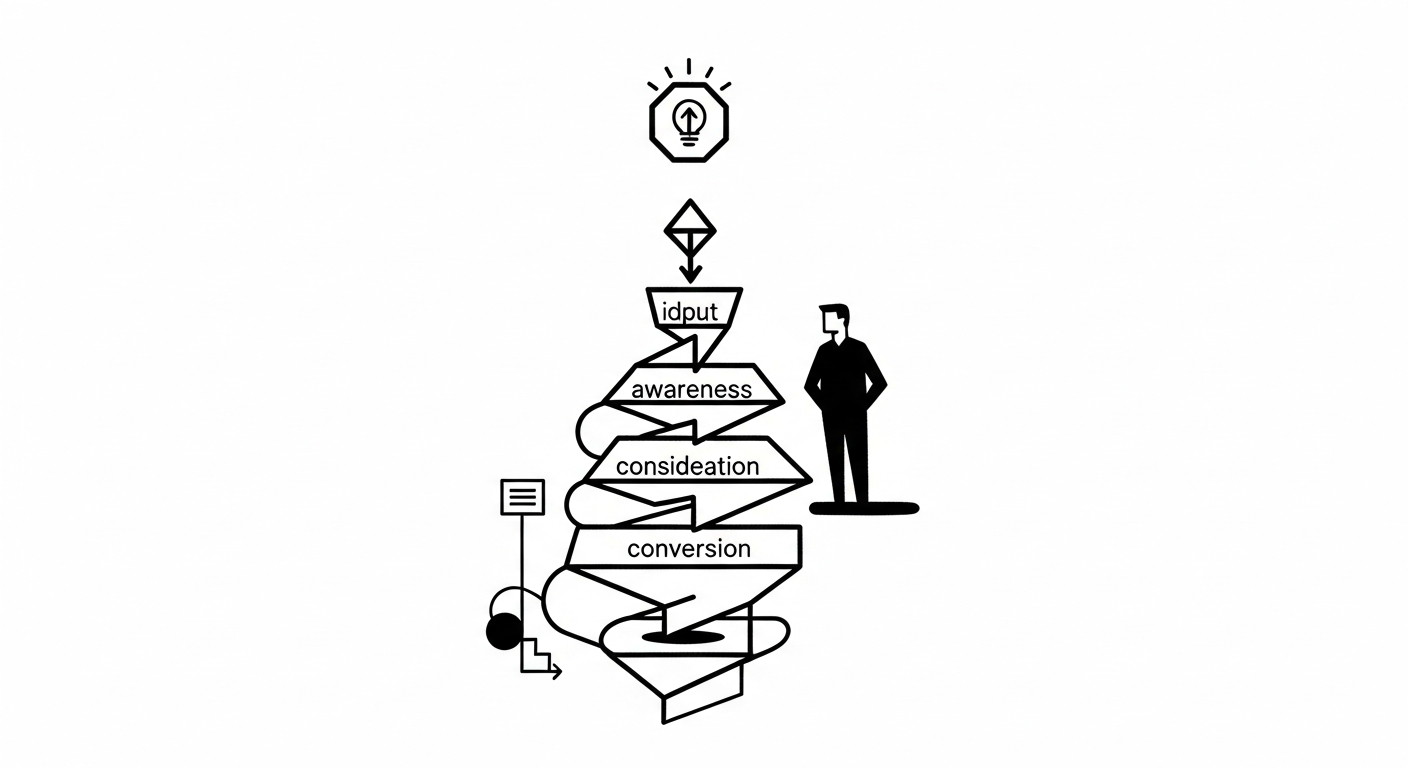
The funnel is composed of three primary nodes: a lead magnet, an email nurture sequence, and a booking engine. While these components are standard, the way they are integrated determines the durability of the business. I am not an author of one specific stack; I am an architect of the system that connects these parts.
1. The Lead Magnet: Research-Driven Value
The entry point is a clinical-grade resource for postpartum recovery. Most lead magnets are thin. To build authority in maternal health, the content needs depth. I used agentic engineering to parse medical journals and recovery protocols to synthesize a guide that is both accessible and rigorous.
Instead of writing the copy myself, I built a research agent that identifies key recovery milestones. This agent feeds a content agent that structures the guide. The result is a high-value asset that earns the user's email address by solving an immediate information gap.
2. The Email Layer: The Relationship Engine
Once the lead magnet is delivered, the system moves into a nurture phase. This is where most solo operators fail because they cannot maintain the cadence of communication.
I architected an automated sequence that triggers based on user behavior. If the lead magnet is opened, the system waits 24 hours before sending a follow-up that expands on a specific recovery milestone. If it isn't opened, the system sends a reminder with a different hook. This isn't just automation; it is a feedback loop that adjusts to the user's engagement level.
3. The Booking: The Conversion Node
The final node is the booking system for a 1:1 consultation. This is the revenue-generating part of the funnel. By the time a user reaches this stage, the system has already provided value through the lead magnet and the email sequence. The booking is the natural next step, not a hard sell.
Agentic Engineering in Practice
Running a multi-product studio solo requires a different operating model. I don't spend my time writing emails or designing landing pages from scratch. I spend my time engineering the agents that do that work.
For this maternal health brand, I built a custom orchestration layer. This layer manages the handoffs between different tasks. For example, when a new clinical study is published, an agent summarizes it, another agent checks it against the existing lead magnet, and a third agent drafts an update for the email sequence.
This approach allows me to maintain a high output without increasing the headcount. The AI is the team. I am the architect.
What I Learned the Hard Way
Building a digital product funnel solo is rarely a linear process. I learned the hard way that over-complicating the initial logic is a recipe for failure.
Early in the build, I tried to create a hyper-personalized email path for every possible user interaction. The logic became so brittle that the automation broke when a user took an unexpected action, like clicking two links in the same email. I had to strip the system back to its core and rebuild it with simpler, more robust triggers.
I also learned that the verification layer for AI-generated content is non-negotiable, especially in health. In one instance, an agent synthesized two different recovery protocols into a single recommendation that was technically incorrect. I had to implement a human-in-the-loop verification step for all clinical advice. Shipping today means shipping responsibly, not just shipping fast.
Working in Public
I am sharing this build because the process is often more instructive than the finished product. Most people see a successful funnel and assume it was built perfectly on the first try. It wasn't. It was built through iteration, broken logic, and constant refinement.
By working in public, I can show the actual artifacts of the build—the system diagrams, the agent prompts, and the conversion data. This transparency builds trust and provides a blueprint for other operators looking to build their own systems.
The Path Forward
The funnel is now live. The next phase is monitoring the data and optimizing the conversion points. I am looking at the drop-off rates between the lead magnet download and the first email open. If the gap is too wide, the system will need a new hook.
Building a digital product funnel is not a 'set it and forget it' project. It is a living system that requires ongoing maintenance and optimization. But with the right architecture and an AI-driven team, a solo operator can compete with much larger organizations.
If you are building something similar or have questions about the agentic layer I used for this build, I am happy to talk.
Work through this in a 1:1 strategy session through Total Ventures — totalventures.io/booking
Studio Notes
How I’m building the studio.
The operator’s log — systems, decisions, and what’s working.
Written by
Founder, Total Ventures
Solo-founder building a multi-brand product studio with AI agents. Writing about building, operating, and shipping.
