On this page
- The Inherent Risk of Unified Financial Access
- Why Read-Only Tokens for Most Operations?
- Flexibility Without Compromise
- Minimizing the Attack Surface
- The Necessity of IP-Locked Write Tokens
- Restricting Write Access to Known Environments
- The Principle of Least Privilege in Practice
- Implementing This Strategy in Your Agent-Augmented-Ops
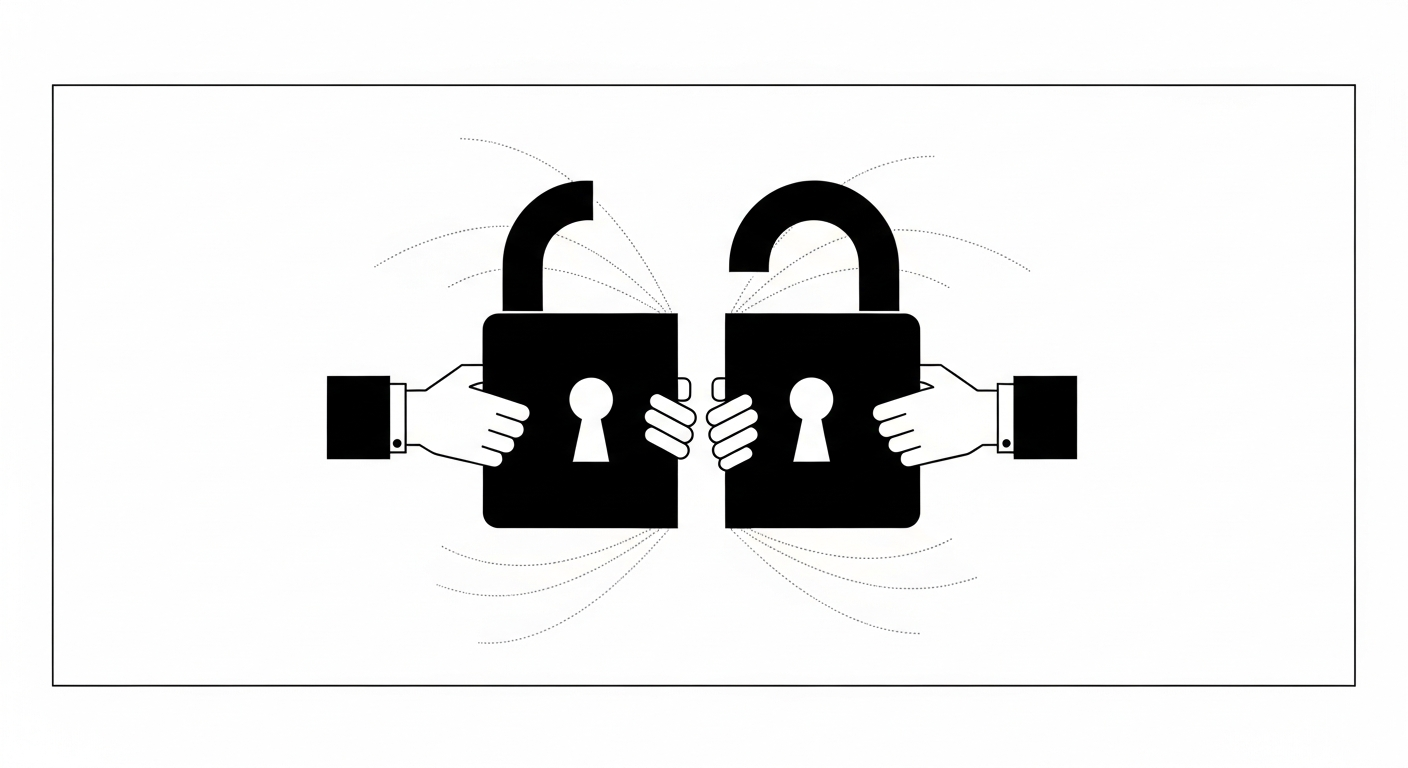
When you let an agent touch money, split the credentials. This isn't a suggestion; it's a hard rule if you want to maintain control and security in your agent-augmented-ops. The fast path of a single, all-powerful API key for financial accounts might seem convenient, but it introduces an unacceptable level of risk. Instead, your read operations should run on a read-only token with no IP whitelist, allowing flexibility. The one action that mutates—like categorization or a transaction—should run on an IP-locked write token. This means you can read anywhere, but write only from a known, secure machine.
The Inherent Risk of Unified Financial Access
Imagine giving a single key to your entire house, including the safe, to a new assistant. That's essentially what you're doing when you provide an AI agent with a single API key that grants both read and write access to your financial systems. While the agent is designed to be helpful, the underlying systems are complex, and vulnerabilities can emerge. A compromised key, a misconfigured agent, or an unforeseen bug could lead to unintended financial transactions or data manipulation.
In the world of agent-augmented-ops, where AI handles increasingly sensitive tasks, the stakes are higher. Financial data is not just sensitive; it's critical. Any breach or error can have immediate and severe consequences for your business. The convenience of a single key pales in comparison to the potential fallout of a security incident.
Why Read-Only Tokens for Most Operations?
Most of what an AI agent does with financial data is read-based. It needs to fetch transaction histories, categorize expenses, monitor cash flow, or generate reports. These are all operations that require data retrieval, not modification. For these tasks, a read-only token is sufficient and significantly safer.
Flexibility Without Compromise
A read-only token, ideally without an IP whitelist, offers immense flexibility. Your agent can access financial data from various environments—whether it's running on a cloud server, a local development machine, or even a temporary instance for a specific task. This freedom of access is crucial for the dynamic nature of agent-augmented-ops, allowing your systems to be agile and responsive without creating security blind spots. If this token is compromised, the worst an attacker can do is view your data, not alter it.
Minimizing the Attack Surface
By limiting the capabilities of the most frequently used token, you drastically reduce your attack surface. An attacker gaining access to a read-only token cannot initiate transfers, change categories, or modify any financial records. This containment strategy is a fundamental principle of robust security architecture.